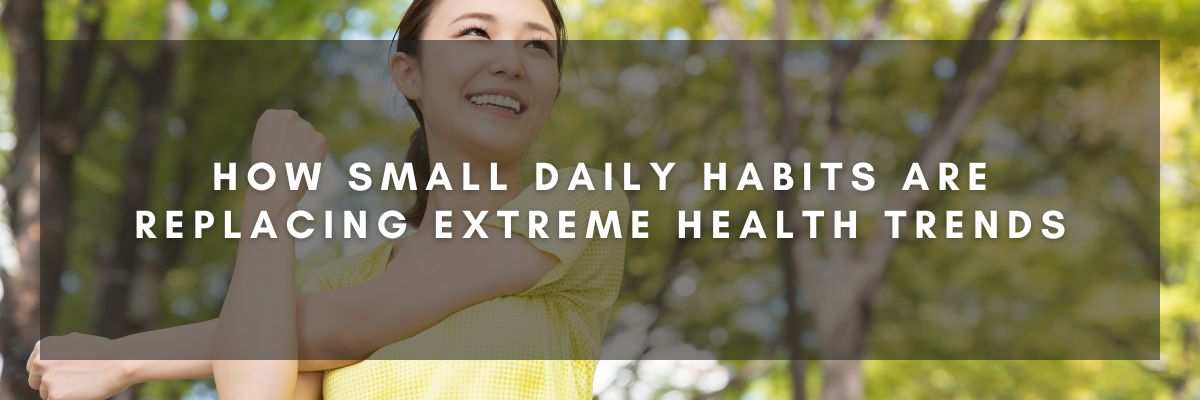
Summer has always inspired reinvention. People commit to fitness programs, overhaul their diets, and chase ambitious “summer body” goals with enthusiasm that often fades by August, if not before. But in 2026, one of the biggest summer wellness trends is moving in the opposite direction. Instead of dramatic transformations, people are embracing what experts are calling “micro wellness;” small, sustainable daily habits that improve physical and mental well-being without burnout.
This shift reflects a growing fatigue with all-or-nothing wellness culture. Consumers are increasingly prioritizing routines they can realistically maintain while balancing work, family, travel, and social commitments. The result is a more approachable version of wellness that feels less performative and more practical.
Why Extreme Wellness Is Losing Appeal
For years, wellness culture rewarded intensity. Long workouts, restrictive diets, elaborate supplement routines, and rigid self-care regimens dominated social media feeds. But many people discovered that overly complicated routines often created stress instead of relieving it. Today people want flexibility and balance.
That’s especially true during summer, when schedules become more spontaneous. Vacations, weekend outings, and longer daylight hours naturally disrupt rigid routines. Instead of fighting that reality, people are choosing wellness practices that fit seamlessly into everyday life.
This has fueled the rise of:
- 10-minute workouts instead of hour-long gym sessions
- Short mindfulness breaks throughout the day
- Portable wellness tools for travel
- Simple hydration habits
- Outdoor movement instead of structured exercise
- Sleep-focused recovery routines
According to wellness trend forecasts for 2026, “snack-sized workouts” and simplified self-care routines are becoming increasingly popular because they feel sustainable and accessible.
The Shift Toward Outdoor Wellness
Summer naturally encourages people to spend more time outdoors. Outdoor movement is becoming less about performance and more about emotional regulation, stress relief, and reconnecting with nature.
Activities like walking, hiking, paddleboarding, beach yoga, and outdoor strength circuits are replacing traditional indoor workouts for many.
This trend aligns with a broader movement toward wellness-centered outdoor living. Designers and wellness experts note that people increasingly view outdoor spaces as extensions of their mental and physical wellness routines.
Instead of exercising solely to burn calories, many people are exercising to improve mood, reduce anxiety, regulate sleep, increase energy, and recover from digital overload. That subtle shift matters because it changes wellness from punishment into restoration.
Why Recovery Is Becoming the New Status Symbol
Another defining summer wellness trend is the growing emphasis on recovery. For years, hustle culture celebrated exhaustion. Now, sleep quality, stress management, and nervous system regulation are increasingly viewed as markers of true health.
More attention is being paid to sleep optimization, red light therapy, cold plunges, breathwork, mobility training, nervous system regulation, and restorative stretching. Wellness experts predict that sleep and recovery will continue dominating wellness conversations throughout 2026 as consumers recognize the long-term effects of chronic stress and poor rest.
Summer creates the perfect environment for this trend because people often feel more emotionally open to slowing down during warmer months. Longer evenings, vacations, and outdoor socializing encourage routines that feel restorative instead of restrictive.
The Popularity of “Wellness Stacking”
Another reason micro wellness is thriving is because people are combining healthy habits together in ways that feel efficient and enjoyable.
For example:
- Walking while listening to meditation audio.
- Using light therapy during morning journaling.
- Stretching outdoors during sunset.
- Drinking protein smoothies after beach walks.
- Pairing sauna sessions with mindfulness practices.
Consumers increasingly want wellness habits that multitask. This trend is particularly popular among busy professionals who don’t want wellness to consume their entire schedule. The rise of wearable health technology has also reinforced this trend. Many people now track sleep, heart rate variability, recovery scores, and stress levels, creating greater awareness of how small daily habits affect overall well-being.
Hydration Has Become More Sophisticated
Hydration is no longer just about drinking water. Summer 2026 wellness culture is heavily focused on functional hydration, beverages that support energy, recovery, gut health, or cognitive performance. Wellness trend reports note the increasing popularity of nutrient-enhanced drinks, electrolyte blends, protein beverages, and wellness tonics.
People are becoming more educated about electrolyte balance, mineral intake, caffeine timing, sugar content, gut health support, and energy crashes. As a result, hydration has evolved into a more intentional wellness category. This is especially relevant during summer months when heat exposure, travel, alcohol consumption, and outdoor activity increase dehydration risk.
The Social Side of Wellness
Another major shift is the growing desire for community-driven wellness experiences.
People are increasingly seeking things like wellness retreats, group fitness walks, recovery lounges, outdoor yoga events, sauna social clubs, and even wellness-focused travel. Experts predict community wellness experiences will continue growing because consumers are craving connection after years of digital fatigue and social isolation.
Summer naturally supports this movement because people are more likely to gather outdoors and prioritize shared experiences. Interestingly, wellness is becoming less about aesthetics and more about emotional well-being. Instead of pursuing unrealistic perfection, many people are pursuing balance, energy, and resilience.
Why This Trend Matters Long-Term
The rise of micro wellness reflects something deeper than seasonal habits. It signals a broader cultural rejection of unsustainable self-improvement. Consumers are increasingly skeptical of extreme trends that promise quick fixes. Instead, they are prioritizing consistency, evidence-based wellness practices, and routines that genuinely improve quality of life. This shift may ultimately create healthier relationships with wellness overall.
Because the truth is: A 15-minute walk done consistently is often more powerful than a punishing workout performed once a month. A realistic bedtime routine matters more than a complicated biohacking protocol. Daily stress management creates more long-term impact than temporary detoxes. And perhaps that’s why micro wellness resonates so strongly this summer. It feels human. Instead of chasing perfection, people are learning to build wellness into their actual lives. And that may be the healthiest trend of all.


